

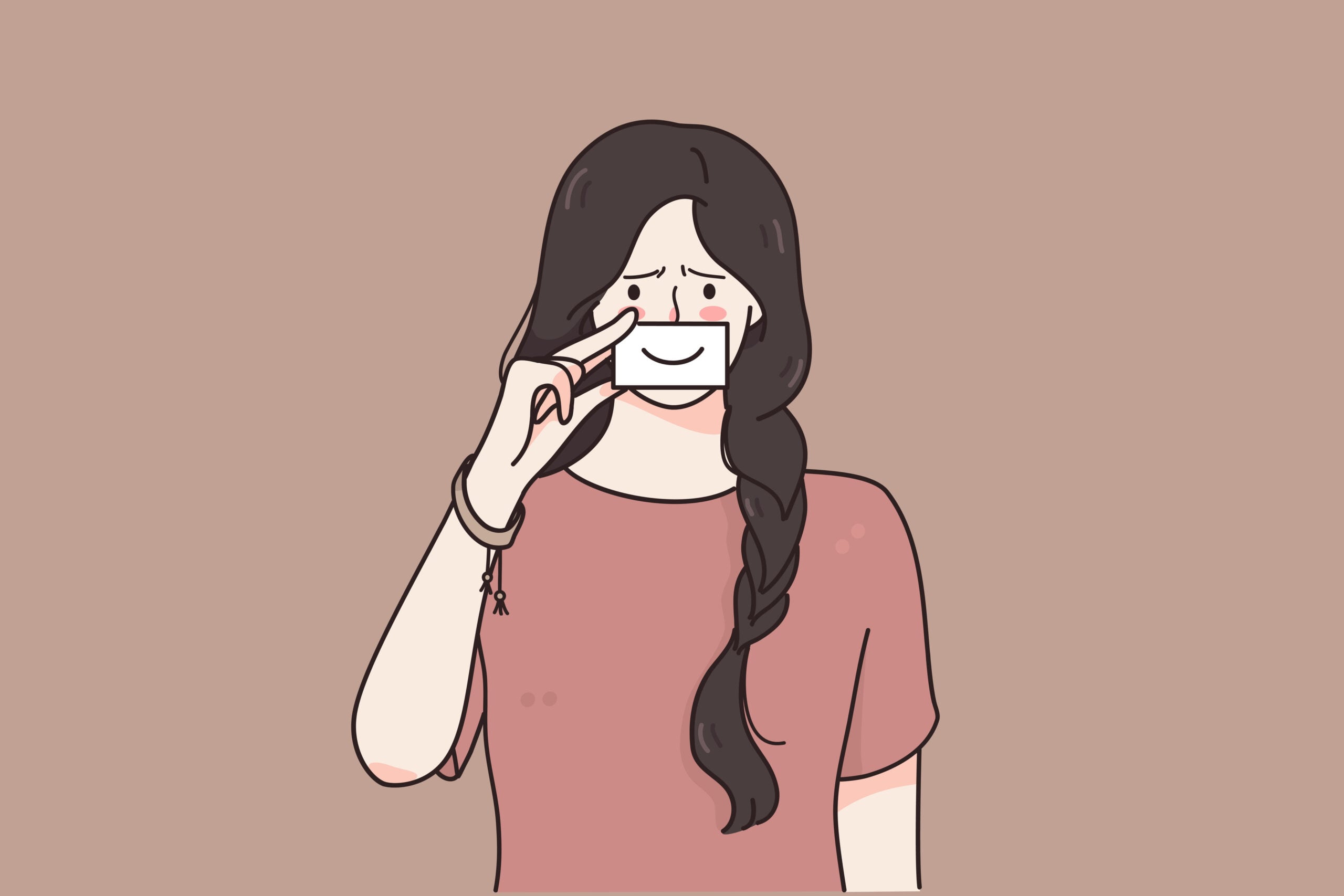
Autistic masking to “fit in” at school.
What is Autistic Masking?
Autistic masking – also called camouflaging – is the process by which autistic individuals consciously or unconsciously hide their natural behaviours to blend into neurotypical environments. In schools, this might look like a student suppressing stims (like hand-flapping), forcing eye contact, mimicking peers, or rehearsing social scripts to avoid standing out.
Contrary to being deceptive, masking is usually a survival mechanism. Autistic students often adopt these behaviours to avoid bullying, rejection, or being labelled “difficult.” It’s a response to the unspoken (and sometimes explicit) demand to appear “normal.”
While it’s most commonly reported in girls, masking isn’t gender-specific. Boys and nonbinary students also mask, often from as early as preschool. By the time they reach secondary school, many autistic students have mastered the art of appearing “fine” – even if they’re emotionally crumbling inside.
Why Do Autistic Students Mask?
Let’s be real – school isn’t always a neurodivergent-friendly space.
Classrooms are often loud, unpredictable, and socially demanding. From playground politics to group assignments and strict behavioural expectations, autistic students quickly learn that their natural behaviours may be unwelcome. They mask to stay safe, avoid stigma, and fit in with their peers.
It’s not about vanity or manipulation – it’s about protection. Students want to be accepted, not singled out. Sometimes they’ve been directly told to act more “normal,” or they’ve internalised this from social cues and feedback. Masking becomes their tool to navigate school life without being judged or isolated.
The Cost of Masking: What Lies Beneath the Surface?
Sure, masking might help students “get through the day.” But what happens after the bell rings?
Emotional Exhaustion & Burnout
Many autistic students experience what’s called autistic burnout – a state of emotional, mental, and physical exhaustion from constant self-monitoring. Teachers might see a calm, compliant child, but at home, parents witness emotional meltdowns, shutdowns, or complete withdrawal.
Mental Health Impacts
Research links masking with increased anxiety, depression, and even suicidaility, particularly in teens. Imagine pretending to be someone else for six hours a day – it’s no wonder students feel drained or disconnected from their true identity.
Learning Gaps
All that energy spent trying to blend in takes a toll on learning. Students who mask may struggle to absorb lessons or participate meaningfully. They’re too busy managing their behaviour to focus on content.
Isolation Despite Inclusion
While masking might help a student avoid negative attention, it can lead to shallow friendships and feelings of inauthenticity. Many wonder: “Would they still like me if they knew the real me?”
Spotting the Signs: How Teachers Can Recognise Masking
Masking is, by nature, hidden. But there are signs if you know what to look for:
- “Perfect” behaviour at school, meltdowns at home
If parents report after-school distress, it may be a red flag. - Never asking for help
Masking students may sit quietly, even when lost, to avoid appearing “different.” - Overly rehearsed or robotic social behaviour
Scripted greetings, stiff body language, or mimicking others can indicate masking. - Unnatural eye contact or body posture
Some students force eye contact or suppress stims, resulting in tense or awkward physical behaviour. - Withdrawal during free time
Solitary play, frequent bathroom breaks, or seeking quiet corners might be a student’s way of “dropping the mask.” - Delayed emotional reactions
If a student appears calm during stress but breaks down later, they may be bottling up feelings during the school day.
What Can Schools Do? Strategies for Supporting Authenticity
Supporting autistic students who mask isn’t just a “nice to have” – it’s essential for their wellbeing, learning, and growth.
1. Create a Culture of Acceptance
Make neurodiversity visible and celebrated in your classroom. Talk openly about differences. Teach students that everyone has unique ways of thinking, communicating, and learning. Use books, videos, and real-life stories to promote inclusion.
A classroom that embraces diversity makes it safer for students to drop the mask.
2. Build Trusting Relationships
Let students know you’re a safe adult who values them just as they are. Simple check-ins like, “You seem quiet today – anything I can help with?” go a long way. When students trust you, they’re more likely to be open about their needs.
3. Reduce the Need to Perform
Reconsider expectations that may pressure masking:
- Don’t force eye contact.
- Allow stimming (e.g., fidgeting or doodling).
- Provide alternatives to oral presentations.
- Let students communicate in their preferred way – verbal, written, or visual.
Change the environment, not the student.
4. Offer Sensory Supports
Normalise the use of headphones, sunglasses, or quiet zones. Make sensory tools available to all students, reducing the stigma. A simple “calm corner” in the classroom can offer huge relief.
5. Support Self-Advocacy
Teach students it’s okay to say, “I need a break” or “That noise is too loud.” Encourage communication via non-verbal cues, cards, or journals if speech is hard. Celebrate when they speak up about their needs.
6. Work With Families
Parents see the unmasked version of the child. If they report emotional exhaustion or meltdowns, take it seriously. Share insights, compare observations, and collaborate on strategies.
7. Facilitate Peer Support
Foster inclusive friendships through structured buddy systems or interest-based clubs. Help peers understand autism (with the student’s consent), reducing stigma and isolation.
8. Build in Downtime
Autistic students need recovery time from social demands. Include quiet activities after recess or noisy assemblies. Offer opt-outs for high-stress tasks when possible.
9. Maintain Predictability
Use visual schedules, give advance warnings about changes, and prepare students for transitions. Predictability helps reduce anxiety and the need for masking.
10. Train Your Team
Encourage staff-wide professional development on neurodiversity, especially how autism may look in students with an internalised presentation. Awareness is key to recognising and supporting masked behaviours.
Masking and the Australian Educational Framework
Considering the unseen needs of students who mask aligns with the Disability Standards for Education (2005) and the Australian Professional Standards for Teachers. It also echoes global best practice via Universal Design for Learning (UDL) – designing learning that’s inclusive from the start.
When we accommodate the needs of autistic students, we improve the classroom for everyone.
So, What’s the Bottom Line?
A quiet, smiling student might not be “fine” – they might be fighting to stay afloat. Masking may help them survive school socially, but it chips away at their energy, confidence, and identity.
Teachers and schools have the power to change this.
By fostering acceptance, building trust, adjusting expectations, and embracing neurodiversity, we send a clear message:
“You don’t have to hide here. You’re safe to be yourself.”
And that message? It could be the difference between surviving school and thriving in it.
FAQs
Q: Is masking something all autistic students do?
Not all, but many do – especially in mainstream schools where they feel pressure to fit in.
Q: Can masking lead to a misdiagnosis or missed diagnosis?
Yes. Some students, especially girls, are diagnosed late or not at all because they’ve masked so well.
Q: Is masking a choice?
Not usually. It’s often an unconscious survival strategy in environments that don’t feel safe.
Q: How can I tell if a student is masking?
Look for behavioural inconsistencies between home and school, signs of exhaustion, social scripting, or signs that a young person is suppressing their needs to gain acceptance.
If this blog has helped you understand autistic masking a little better, share it with a fellow educator. Because the more we peek behind the mask, the better we can support every student to thrive.
To learn more about supporting neurodivergent students and promoting inclusive education, explore Safe House Schools™.

Comments are closed