

Building Capacity-Wise Classrooms
Autistic students can experience day-to-day – even hour-to-hour – changes in their cognitive, emotional, and physical capacity. These shifts, known as fluctuating capacity, aren’t defiance, inconsistency, or lack of effort. They are an inherent part of the autistic experience.
This article brings together current thinking and school-ready practices to help educators respond with clarity, care, and flexibility, so autistic students can learn safely and sustainably.
Why this matters in schools
In classrooms everywhere, autistic students show variability in what they can manage. A task that felt easy yesterday may feel impossible today – with no loss of underlying skill. This ebb and flow is a well-documented part of autism that needs to be understood and accommodated, not penalised.
That might look like a student who usually works independently suddenly needing one-to-one support, or a talkative student going quiet for an entire lesson.
When schools recognise fluctuating capacity and respond with measured flexibility, students stay safe, remain connected to learning, and avoid the spirals of fatigue and burnout.
What do we mean by “fluctuating capacity”?
Fluctuating capacity describes shifts in a student’s ability to think, cope, and participate – sometimes within the same day. It spans three interrelated domains:
- Cognitive capacity: attention, memory, problem-solving.
- Emotional capacity: ability to regulate under stress.
- Physical capacity: energy levels, sensory tolerance, bodily comfort.
These capacities rise and fall depending on internal states and external demands. Support needs are dynamic, not fixed. Recognising this variability helps staff respond with compassion rather than frustration.
Why does capacity fluctuate?
Some common drivers include:
- Sensory and environmental stress: noisy, unpredictable spaces can overload the nervous system and reduce both cognitive and emotional capacity.
- Cognitive load and fatigue: sustained effort, novelty, or heavy social demands can drain bandwidth. Autistic fatigue is real – and prolonged strain can lead to burnout.
- Anxiety and emotional stress: under pressure, emotional capacity narrows. Small triggers can cause meltdowns or shutdowns on low-capacity days.
- Co-occurring conditions: sleep problems, ADHD, gastrointestinal issues and more all impact day-to-day capacity.
- Masking and burnout: masking takes enormous effort. It often leads to sudden capacity crashes and, when sustained, autistic burnout – intense exhaustion and temporary loss of skills.
How fluctuating capacity shows up at school
- Academic performance: a student may achieve highly one week and score poorly the next. This isn’t laziness; it reflects capacity fluctuations and calls for flexible interpretation.
- Participation and behaviour: a usually engaged student may withdraw, go silent, or – if pushed beyond their limit – have a meltdown or leave the room. Tracking patterns can reveal triggers and inform support.
- Social relationships: peers may misinterpret a low-capacity day as rejection. Helping classmates understand “good days and tough days” builds empathy.
- Self-esteem: managing a task one day and not the next can feel discouraging. Framing fluctuations as signals rather than failures builds trust.
Recognising early warning signs
Early indicators might include:
- unusual quietness or withdrawal
- more frequent or intense stimming
- rubbing eyes or covering ears
- difficulty with usually easy tasks
- slower processing time
Gentle intervention at this stage – a break, a lighter load, or an alternative way to respond – can prevent escalation. A classroom culture of short, routine regulation breaks helps everyone, not just autistic students.
Practical, evidence-informed strategies for teachers
- Reduce demands without reducing expectations. Adjust workload, timing, or format on low-capacity days (fewer questions, alternative outputs, postponing presentations). Preserve engagement without collapse.
- Create a low-arousal classroom. Use calm tones, manage noise and visuals, and provide tools like headphones or quiet spaces. Flex learning modes to match the student’s state.
- Build consistent routines with flexibility built in. Predictability lowers stress. Offer clear visual schedules and mark which activities can be swapped or delayed.
- Schedule proactive regulation. Short breaks (e.g., 5 minutes every half hour) can make the difference between staying in class and a meltdown.
- Leverage interests and strengths. Incorporate a student’s passions to boost motivation and cognitive energy.
- Plan re-entry and recovery. If burnout occurs, support a graded return – shorter days, quiet base room, adjusted assessment. Acceptance shortens downtime.
- Partner with families and specialists. Parents often spot patterns first. Regular, positive communication helps anticipate low-capacity days.
- Teach self-advocacy. Colour cards, energy metaphors (like spoons), or simple signals empower students to communicate capacity.
- Replace punishment with curiosity. Drops in output signal changing capacity, not poor motivation. Respond with flexibility, not discipline.
Classroom examples
- Early Primary (6–8): Morgan writes three sentences one day, cries over the same task the next. His teacher flexes expectations (drawing instead of writing) and validates both days. By week’s end, Morgan produces even more.
- Upper Primary (9–11): After a fire drill, Priya – normally eager to read aloud – covers her ears and opts out. Her teacher validates her choice, offers a stress ball, and re-engages her later when she’s ready.
- Secondary (15–18): Sophia, a high-achieving student, masks heavily until burnout sets in. Teachers reduce workload, offer a refuge space, and support a gradual recovery. Sophia returns with stronger self-awareness and strategies to protect capacity.
In every example, teachers interpret behaviour as communication and flex short-term demands while holding high long-term expectations.
Leadership playbook: whole-school practice
- Policy: embed fluctuating capacity into inclusion and behaviour policies. Authorise reduced demands, alternative evidence, and graded return from burnout.
- Professional learning: train staff to spot early signs, use consistent language (“capacity,” “low-arousal,” “fair ≠ equal”).
- Data: use daily check-ins (colour cards, 1–5 ratings) to inform adjustments. Track weekly patterns.
- Partnerships: co-design “bad-day plans” with families. Prioritise strengths-based communication.
Addressing misconceptions
- “If they did it yesterday, they should do it today.” Capacity isn’t linear. Skills remain, but stress reduces access.
- “Flexibility lowers expectations.” Flexibility preserves engagement today so expectations can be met tomorrow.
- “It’s just bad behaviour.” Meltdowns and shutdowns reflect depleted capacity, not defiance.
Explaining fluctuating capacity to peers
Use simple language: “Everyone has good days and tough days. Some of us feel bigger shifts in our energy or feelings. In this class, we help each other.”
Practical planning tools
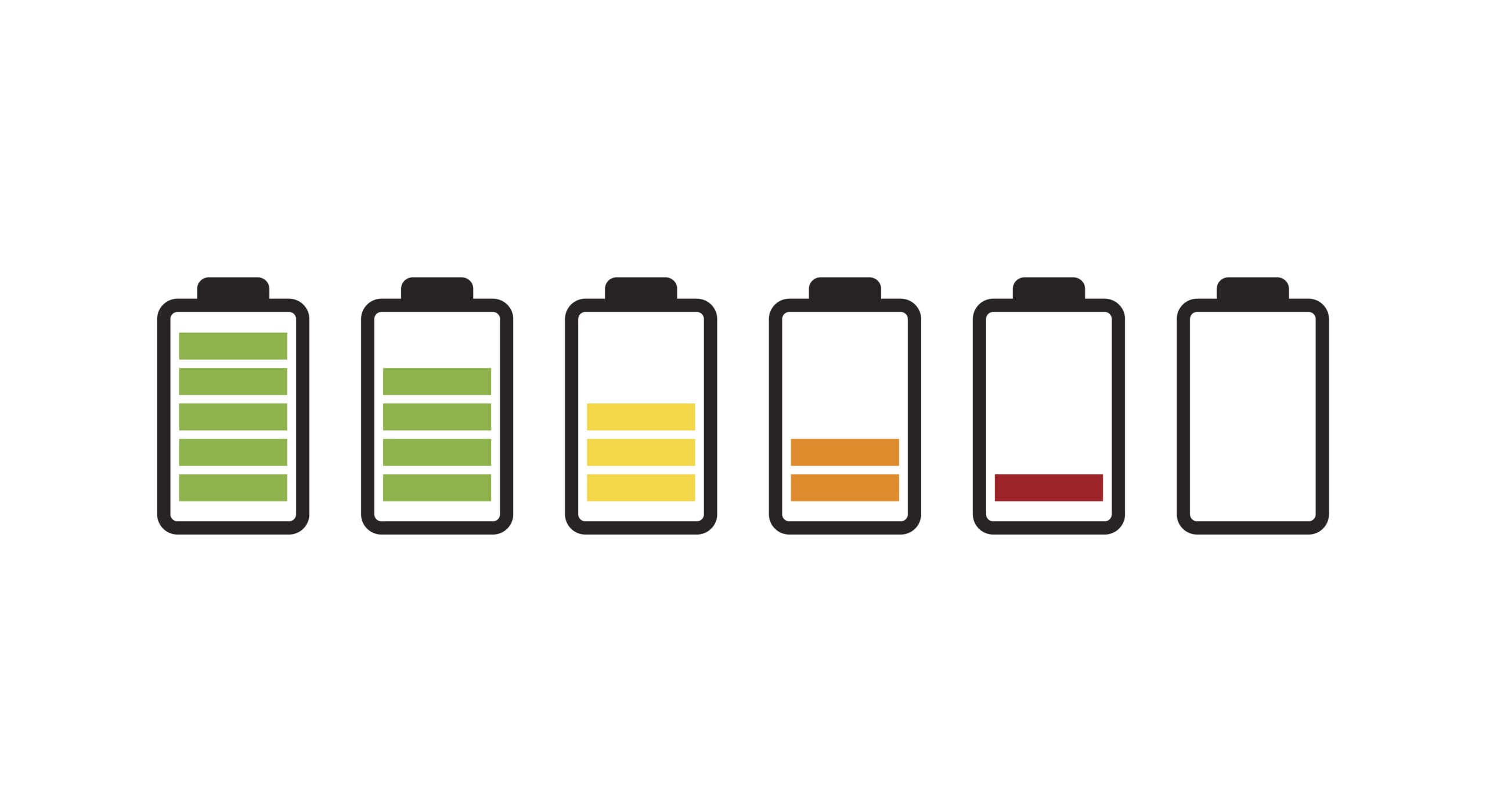
- Capacity-aware lesson footer:
- Green day: full task + extension.
- Yellow day: core task only + extra time.
- Red day: alternative mode (oral/visual) + recovery break.
- Early signs prompt:
“I notice you’re working more slowly – do you need a quick break?” - Re-entry plan:
Week 1: half-days, quiet base room.
Week 2: one assessment, flexible deadlines.
Daily review with student and family.
Wrap-up: building capacity-wise classrooms
When we accept that an autistic student may be capable of completing a task independently one moment and need intensive support the next, we shift from judgement to problem-solving.
The work is to observe closely, intervene early, flex demands, teach self-advocacy, and keep long-term expectations high. With routines, low-arousal strategies, sensory supports, and family partnerships, we reduce crises, prevent burnout, and sustain learning.
Fluctuating capacity doesn’t need to be a roadblock. It can be a signal to adjust the road. That’s inclusion in action – core business for Safe House Schools™.

Comments are closed